How Much Does It Cost to Build a Pickleball Facility?
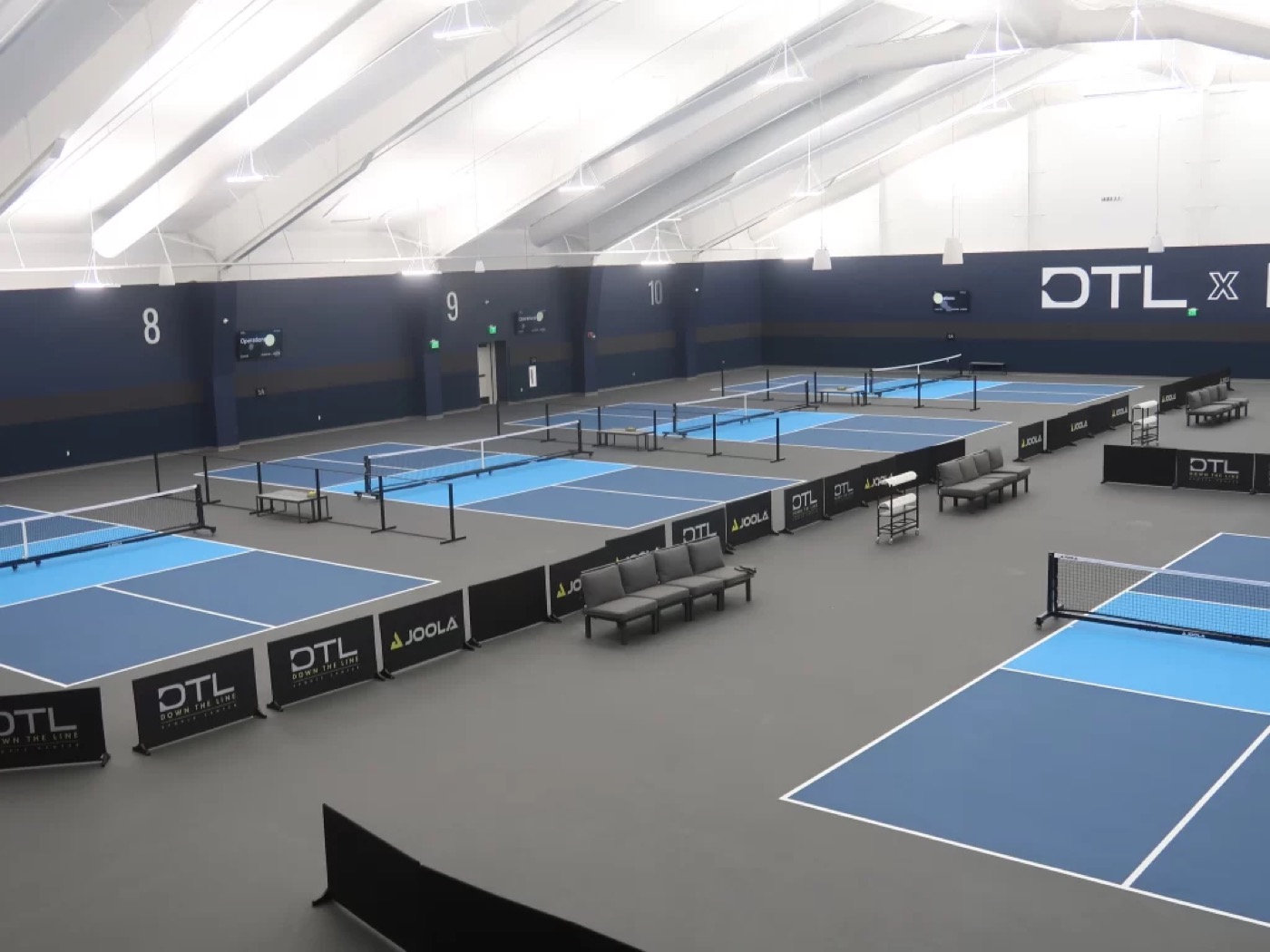
Quick answer: Building a pickleball facility costs roughly $75,000 to $250,000 for a small outdoor retrofit of existing courts, $400,000 to $1.5 million for a ground-up outdoor facility, and $2 million to $6 million or more for a multi-court indoor facility. The biggest drivers are indoor versus outdoor, real estate terms, court count, and finish level.
It's the first question every developer, investor, and aspiring operator asks us, and it's the hardest one to answer with a single number. Pickleball facility construction cost swings enormously based on a handful of decisions you'll make in the first few weeks of a project. Here is a real breakdown of what drives the number, and where we typically see budgets go wrong.
How Much Does It Cost to Build a Pickleball Facility?
For a rough planning range: a small outdoor retrofit (converting existing tennis or basketball courts) can run $75,000 to $250,000. A ground-up outdoor facility with lighting, fencing, and amenities typically lands between $400,000 and $1.5 million. A multi-court indoor facility, the fastest-growing category, generally runs $2 million to $6 million or more, depending on the market, the building shell, and the finish level.
| Facility type | Typical cost |
|---|---|
| Small outdoor retrofit (converting existing tennis or basketball courts) | $75,000 to $250,000 |
| Ground-up outdoor facility with lighting, fencing, and amenities | $400,000 to $1.5 million |
| Multi-court indoor facility | $2 million to $6 million or more |
Those ranges are wide on purpose. The only way to get a real number is to run the numbers for your specific site, market, and concept, which is exactly what our Feasibility Audit is built to do before you sign a lease or break ground.
What Actually Drives the Cost
Indoor vs. Outdoor
Indoor facilities cost several multiples more than outdoor courts per court, mainly because of the building shell, climate control, and lighting rig. But indoor also commands higher membership pricing and year-round utilization in most climates, which is why indoor development has accelerated even though it costs more to build.
Land or Lease Terms
Real estate is often the single largest and least predictable line item. A ground lease, an existing warehouse conversion, and new construction on owned land all carry wildly different cost structures, and the "cheapest" option on paper isn't always the cheapest once you account for buildout requirements. We've seen developers commit to a lease that looked affordable, then discover the building needed six figures of electrical and HVAC work just to support the lighting and dehumidification a facility needs.
Court Count and Layout
More courts mean more revenue potential, but the math isn't linear. Court spacing, buffer zones, and viewer/lounge space all eat into the buildable footprint, and a poorly planned layout can waste 15 to 20% of usable square footage on inefficient circulation. Getting the layout right the first time is one of the highest-leverage decisions in the entire build.
Surfacing and Court Systems
Acrylic surfacing, net systems, and court striping are a real cost, but they're rarely where budgets blow out. The bigger surprises are usually lighting (competitive-standard lighting is a meaningful capital line, not an afterthought), sound mitigation (indoor facilities are loud, and neighboring tenants notice), and HVAC sized correctly for the sport.
Amenities and Brand
Pro shops, lounges, event space, and food and beverage all add cost, but they also drive the revenue per square foot that separates a facility that fills courts from one that stalls in year one. We tie every amenity decision back to what it does for revenue, not just what looks good in a rendering.
The Line Items First-Time Developers Miss
- Permitting and entitlement timelines that push carrying costs (rent, interest) months past the original schedule
- Utility upgrades for power-hungry lighting and HVAC systems, especially in older buildings
- Staff training and pre-opening payroll, which starts well before doors open
- Vendor and partner pricing that varies significantly depending on who negotiates it and when
- A realistic contingency, typically 10-15% of hard costs, that most first-time budgets skip entirely
How to Get a Real Number for Your Project
A generic per-court average will always be wrong for your specific project, because it ignores your market, your site, and your target player. Our Feasibility Audit pressure-tests the real estate, models pricing and revenue for your market, and gives you an honest read on what the build actually costs and whether the numbers work, before you commit a dollar.
If you're further along and ready to build, Full Design Consulting takes the project from a blank lot to opening day, with every decision, including cost decisions, tied back to revenue per square foot.
Building something? Book a call with us and we'll help you scope the real number for your project.
Building something? Let us pressure-test it.
Tell us about your project. You will hear from us within 24 hours.