Indoor vs. Outdoor Pickleball Facility Construction
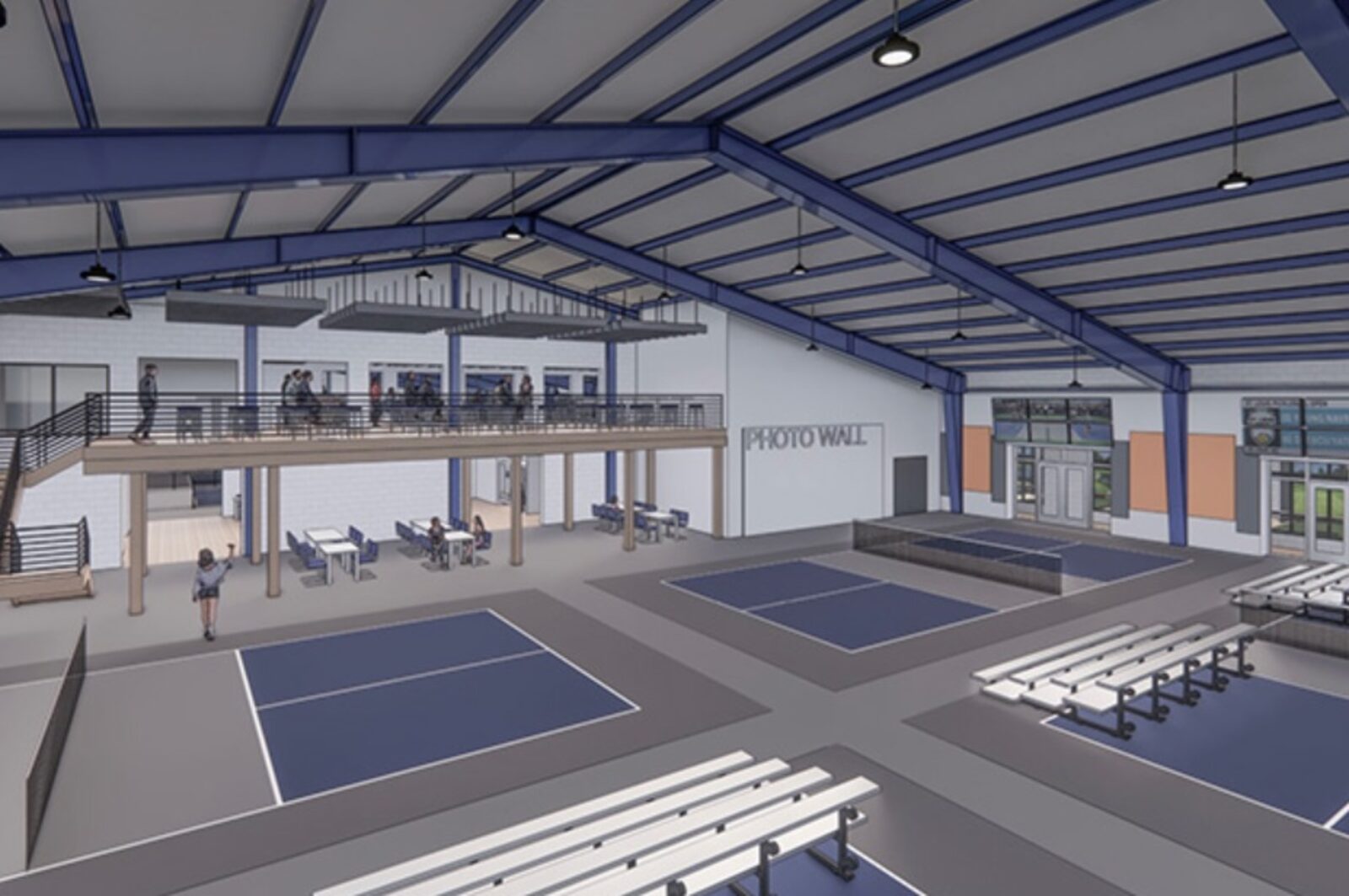
Quick answer: Outdoor pickleball facilities cost less to build and open faster, but in most markets they lose months of play to weather. Indoor facilities cost significantly more per court because of the building shell, HVAC, and lighting, but they run year-round and command higher membership pricing. The right choice depends on your climate, your market's price sensitivity, and the capital you can deploy.
It's usually the first fork in the road for a new developer, and it gets decided too early, often based on gut feeling instead of the market and site in front of them. Here's how we actually work through it.
The Core Tradeoff
Outdoor facilities cost less to build and can open faster, but they're at the mercy of climate, and in most markets that means real dead months where courts sit empty. Indoor facilities cost significantly more per court to build (the building shell, HVAC, and lighting rig are the difference), but they run year-round, command higher membership pricing, and are far less sensitive to weather-driven cancellations.
Neither is universally "better." The right answer depends on your climate, your market's price sensitivity, and how much capital you're willing to put in before revenue starts.
When Outdoor Makes Sense
- Warm-climate markets where courts are usable most of the year without a roof
- Lower initial capital available, or a faster path to opening
- Municipal or parks partnerships, where public outdoor courts are the practical entry point
- Testing a market before committing to a larger indoor build
Outdoor construction cost is dramatically lower per court, but don't underestimate the buildout: proper fencing, wind screens, shade structures, lighting for evening play, and drainage all add up, and cutting corners here shows up immediately in the player experience.
When Indoor Makes Sense
- Northern or highly seasonal climates, where an outdoor facility would sit dark for months
- Markets that can support premium pricing for guaranteed, climate-controlled play
- A goal of hosting tournaments, leagues, or events that need weather-independent scheduling
- Investors focused on revenue per court, since indoor facilities consistently post higher utilization and higher average revenue per court in our data across facilities
Indoor construction brings real complexity most first-time developers underweight: HVAC sized specifically for the sport (not a generic warehouse spec), sound mitigation (pickleball is loud, and neighboring tenants will complain if it's not addressed at design time), and lighting that meets competitive standards, not just "bright enough."
The Hybrid Path
Some of the facilities that perform best in our portfolio aren't purely one or the other. A facility with a mix of indoor and outdoor courts can capture warm-weather outdoor overflow while guaranteeing indoor availability year-round, though this only pencils out on sites large enough to support both without compromising either.
How to Actually Decide
This isn't a decision to make from a spreadsheet template. It comes down to your specific site, your specific market's seasonality and pricing tolerance, and the capital you have to deploy. Our Feasibility Audit models both scenarios against your real market data, so the indoor-vs-outdoor call is based on numbers instead of a guess.
Once the decision is made, Full Design Consulting takes either path from a blank lot to opening day, with every choice, from HVAC tonnage to lighting package, tied back to revenue per square foot.
Weighing indoor against outdoor for your project? Book a call with us and we'll help you run the numbers.
Building something? Let us pressure-test it.
Tell us about your project. You will hear from us within 24 hours.